The Code of Commitment: Rajesh T.R.'s 28-Year Pivot to Cybersecurity.
Rajesh T.R.'s professional journey is a powerful testament to dedication, relentless skill acquisition, and the profound impact of embracing technological transformation. Born in a small, traditional village in Kerala, his narrative is one of overcoming early challenges to achieve global leadership in the highly specialized fields of cybersecurity and corporate resiliency. This biography chronologically explores the critical junctures, pivotal decisions, and philosophical underpinnings that shaped his remarkable 28-year career at the technological forefront.
Early Life and the Serenity of Village Roots (1970 - 1980s)
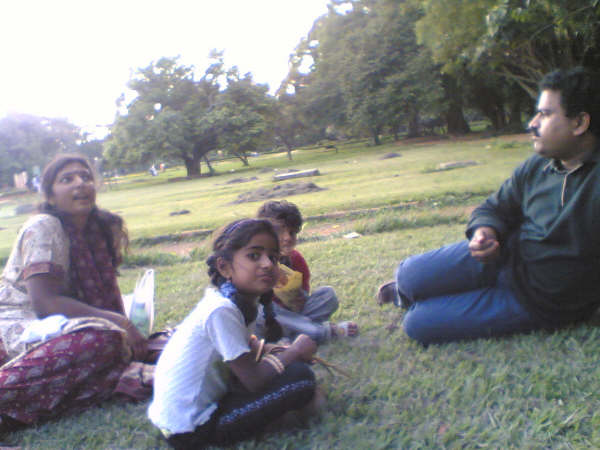 Rajesh T.R. was born on May 5, 1970, and raised in Kadalassery, a small village nestled within the Thrissur District of Kerala. He describes his birthplace as a classic rural environment, rich with the natural beauty and simplicity of the region. His early years were defined by the scenery of abundant paddy fields, lush groves of banana and coconut trees, painting a picture of an idyllic, untainted village life. This setting, however, presented the common challenges of the era, marked by a palpable sense of struggle, resourcefulness, and limited access to modern conveniences; the interviewer noted the absence of even a telephone in such environments during that time.
He came from a very small family. His father, Ramakrishnan T K and mother Parukutty Ramakrishnan were farmers in Kerala. Mother managed the household and other activities and father occasionally worked in a small restaurant in Delhi. Rajesh was the only son, growing up alongside three elder sisters and one younger sister. In his childhood he was more focused on Cricket, football and other cultural activities like drama. He candidly admits to being "very weak in study till 10th standard"—a weakness he attributes, in part, to the distraction of his passion for playing cricket—the strong maternal and familial emphasis on academic achievement created a powerful, though sometimes conflicting, influence during his formative years.
The Five-Kilometer Walk and the Lesson in Value
Rajesh's schooling exemplified the rigor and resourcefulness required of rural students. His initial primary education (up to the fourth standard) took place in a tiny school located just half a kilometer from home. His higher studies till 10th were at CNN BHS School, Cherpu, Thrissur, approximately five kilomers away from home.
The daily travel became a lesson in financial prudence and prioritizing desires. He recalls the value of money in those days: “ten paisa could buy ice creams”. In a bid to maximize this small pleasure, he and his friends developed occasional routine: they would use the ten paisa for a bus ticket one way in the morning and walk the five kilometers back home in the evening. This long walk was not a chore but an opportunity—a race against the elements and a means to secure playground time for cricket, a passion he held dear. The five-kilometer distance was routinely covered in a mere 20-25 minutes, a testament to their speed and youthful energy, reflecting an environment where open space for play was abundant, unlike the commercialized cities of today
The Turning Point: Skill Acquisition and Relentless Education (Late 1980s - Mid-1990s)
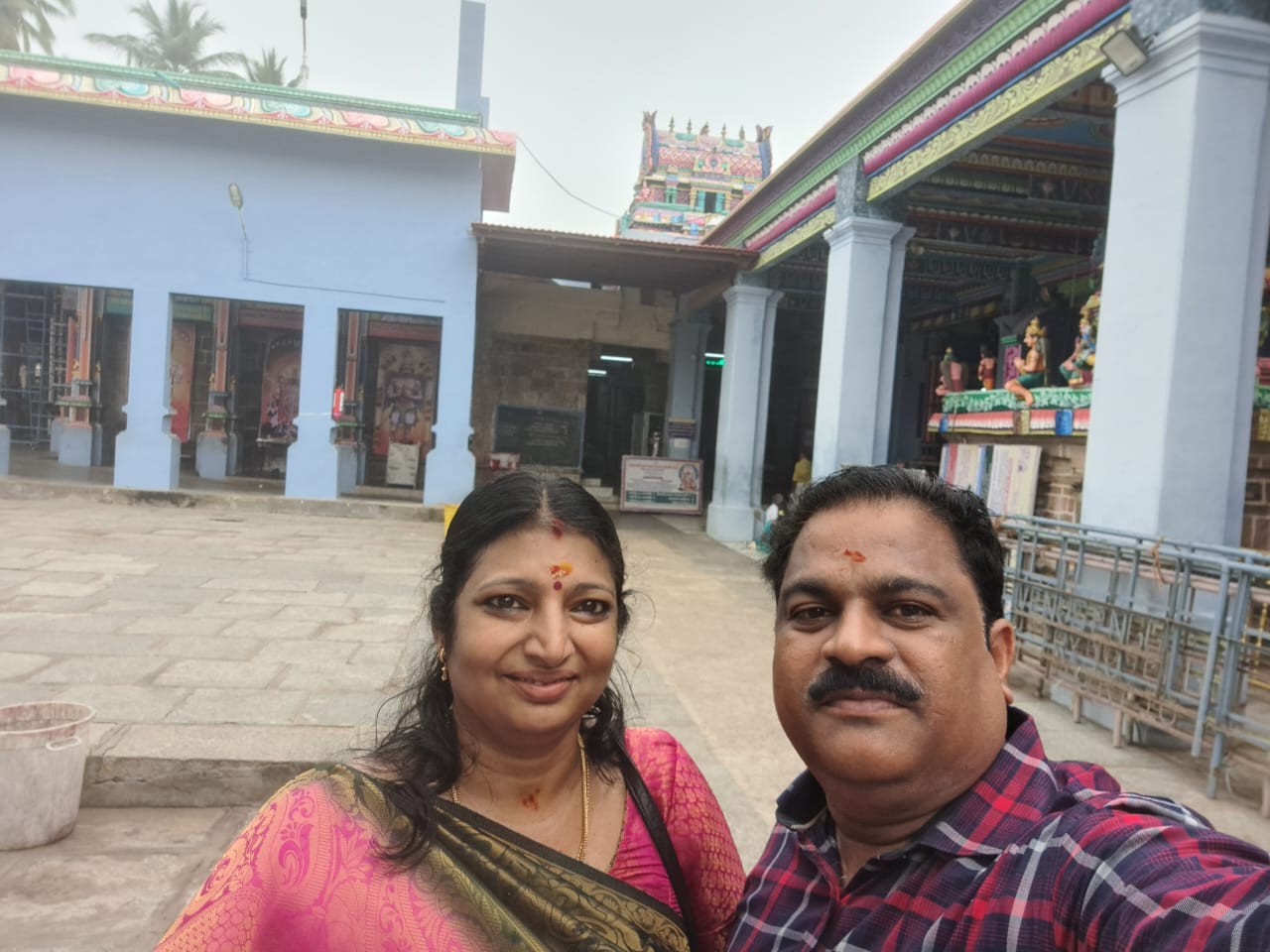 +Rajesh completed his 10th standard and moved to Uttarakhand along with his elder sister who was working in a Public Health Centre in a small village called “Nauli” in Chamoli district. Chamoli is a district in Uttarakhand known for its location in the Central Himalayas, which is rich in natural beauty and religious significance. It is a popular destination for tourists and pilgrims due to its stunning scenery, temples, and nature trails. The district is also the birthplace of the "Chipko Movement" and is known for its unique Kumaoni cuisine. He stayed there for 6 months, but later returned to Kerala. That was the turning point for his education. He pursued his 11th and 12th standards at a private college and passed with first class.
The most critical decision during this time, however, was his commitment to learning vocational skills. Recognizing that a standard 12th degree alone would not secure his future, he pursued specialized training in shorthand and typewriting alongside his formal studies. This was an intensive, dedicated effort culminating in him passing three exams “Lower, Middle, and Higher” in these disciplines. Crucially, he achieved a remarkable typing speed of 120 words per minute.
The Delhi Move and the Power of Shorthand
The acquisition of this specialized skill proved to be his "cheat code" into the professional world. With his 12th-grade completion, Rajesh moved to Delhi to seek employment. His proficiency in typing and shorthand—the ability to write down spoken news at high speed was immediately marketable. He recounts getting his first job within just two days of arriving in Delhi, a feat that would be nearly impossible without such a niche, high-demand skill. His starting salary was 800 rupees at that time, a figure he considered "fairly good". Initially, his role leveraged his shorthand and secretarial skills, placing him in an Executive Assistant role for the Managing Director. After spending couple of months, he got another job in Delhi Lawn Tennis Association, Usha Rectifier Ltd, Godfrey Phillips India Limited, Modicare, and SR Batliboi (Ernst & Young) before he changed his job in Tata.
He made a principled decision regarding his first role, refusing a contract-based position despite the offer of extra money. He insisted on joining as a regular employee. This was driven by a need for a "safety job"—a secure foundation necessary for bachelor life and future marriage proposals in that culture.
Juggling Job and Degrees
 Once employed, Rajesh realized that a 12th-grade education was insufficient for professional advancement. He embarked on an ambitious, decades-long educational journey, pursuing degree after degree while simultaneously holding down a full-time job. His educational focus shifted toward commerce and technology, driven by a desire for growth and career stability:
Rajesh attributes his success to the support of his wife whether it is professional education, technical education or certification. With her admiring support, he could achieve several professional and technical education. Starting with a strong foundation in finance, his early degrees included a Bachelor of Commerce (BCom) and Master of Commerce (MCom), alongside partially completing a Company Secretary (CS) Inter course. This corporate knowledge was then strategically fused with technology through a Post Graduate Diploma in Business Administration (PGDBA)—an MBA equivalent focused on Systems and Operations—culminating in an M.Sc. in Cyber Security (Mizoram University) and a Doctorate in Management Studies from Kazian School Of Management, Mumbai. His journey of certifications include C|CISO, Microsoft Azure Solutions Architect Expert, AWS Certified Security Specialist, Google Certified Cloud Security Engineer, Advanced in Security Management (AAISM), Advanced in AI Audit (AAIA), Chief AI Officer, DORApro, AIGP, CIPT, CISM®, CISA®, CRISC®,, CDPSE®, TOGAF9®, CCSK®, CEH®, PMI-ACP®, ISO27001®, ISO31000 LA®, ISO22301 LA®, COBIT®, ITIL®, TISAX®, Certified Cyber Crime Intervention Officer, Cybersecurity and Incident Response Management, Algosec ISMS Certified, Zero Trust Certified Architect, CCZT, Certified in Cyber Security from ISC2.
He excelled in Hindi and developed a profound interest in Commerce, particularly financial analysis and accounting. This interest initially drove his BCom and MCom degrees and informed his decision to focus on Systems and Operations during his PGDBA, creating a foundational structure that would enable his rapid ascent within the corporate world
The IBM/Kyndryl Era: A Transformative Journey (1997 - Present)
 The true watershed moment in Rajesh's career occurred in 1997 when he joined Tata Information System Limited (TISL), which subsequently became Tata IBM. He unequivocally states that joining IBM was his absolute turning point—transforming him professionally, personally, and in every other aspect.
Initially, he got a role as Program Office Cordinator with one of the largest strategic outsourcing deal. However, IBM's environment of continuous training and potential proved revolutionary. The organization provided him with extensive training, including on the then-emerging Lotus Notes (Domino) platform, covering both system administration and development.
The Shift to Technology and Infrastructure
This training was the catalyst for a fundamental career pivot: a shift from financial/secretarial/program office roles to technology, specifically infrastructure technology. Had he stayed on his initial path, he believes he would have remained focused on executive assistance. Instead, moving to IBM created a passion for technology and set him on his current trajectory.
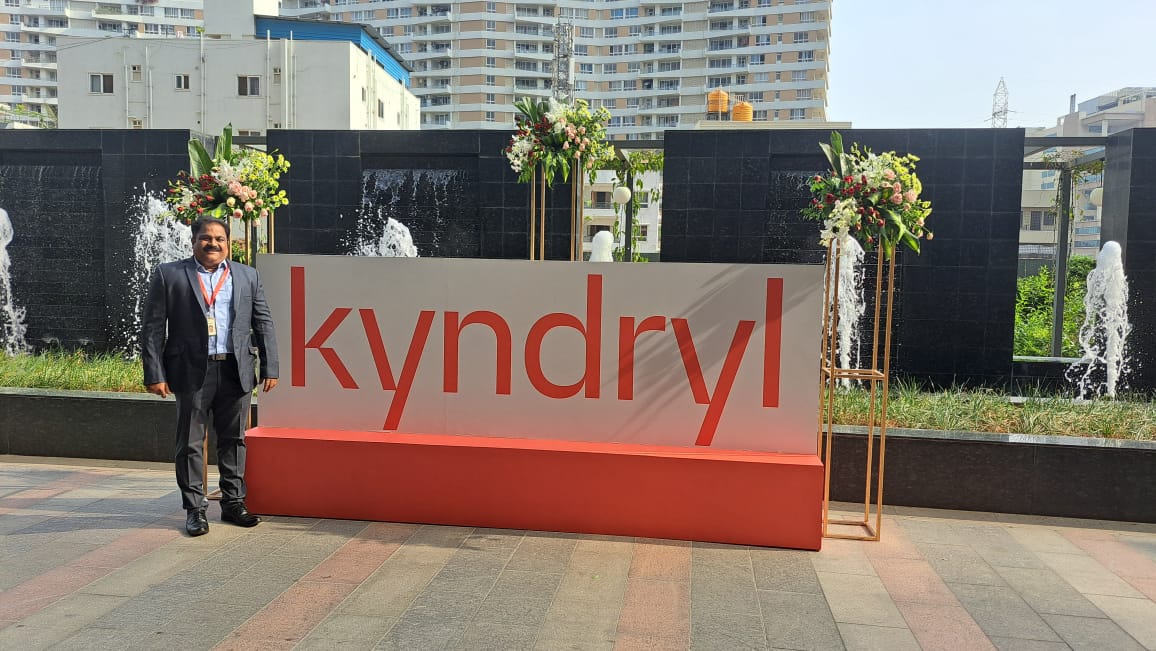
He has demonstrated extraordinary loyalty and dedication, remaining with the same overarching organization for 28 years. TISL became Tata IBM, then IBM Global Services, and eventually IBM India. In 2021, IBM spun off its managed infrastructure business, creating Kyndryl, where Rajesh has spent the last four years. Throughout these organizational shifts, his commitment to his employer has remained constant.
Elevation to Director of Security and Resiliency
Rajesh's career growth from a program office member to his current position as Director for Security and Resiliency is attributed to a combination of factors:
The true engine of Rajesh T.R.'s impressive ascent from an initial secretarial role to a director position wasn't just longevity, but the construction of absolute trust and competence. His deep-seated passion for technology ensured he didn't just adapt to organizational shifts; he actively mastered every new development, from early network components to modern AI strategies. This relentless commitment and dedication quickly forged a reputation for unwavering trustworthiness: senior management knew that assigning a high-stakes project to Rajesh meant guaranteed delivery with zero negative outcomes. This powerful combination of technical certainty and ethical dependability, strategically reinforced through effective networking with leaders, provided the undeniable pathway for his exponential career growth over nearly three decades.
His current role is focused on strategy, development, and ensuring organizational security. Over his career, he has accumulated 20+ certifications in multiple fields, establishing himself as a leading practitioner in Cybersecurity and Resilience—which he identifies as his core specialization.
Professional Evolution: Cybersecurity, Leadership, and Impact
 Landmark Projects
His tenure has included high-stakes, large-scale projects, which he cites as key resume highlights:
- Infrastructure Management: Managing infrastructure projects with an approximate value of $315 million.
- Acquisition Transition: Serving as the Transition Manager for cybersecurity and network security during one of IBM's largest acquisitions in India—Daksh. His responsibility spanned transformation and transition activities for the acquired company's security infrastructure.
Leadership Philosophy
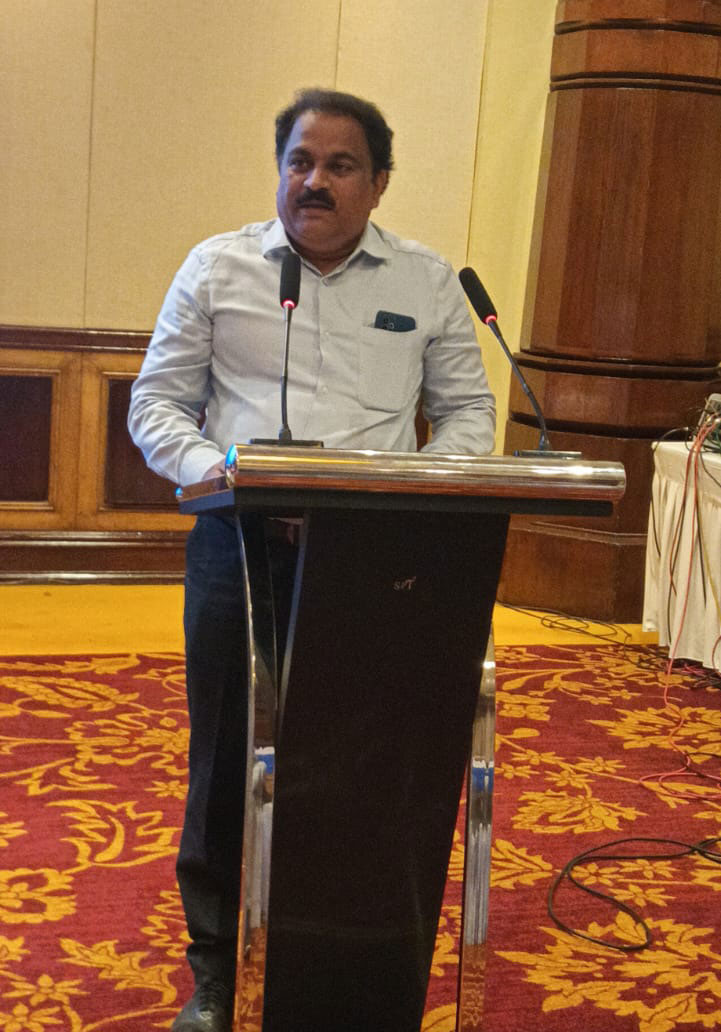
As a Director, Rajesh T.R. approaches leadership with a clear philosophy designed to foster risk-taking and commitment in his junior staff. His foremost principle is a "Tolerance for Errors," famously advising: "I am okay if you make a mistake, but don't make a blunder." This perspective encourages teams to innovate and learn rapidly without the fear of catastrophic failure. Simultaneously, he demands visible Commitment to both continuous learning and the job itself. To enable this, he ensures his team is actively supported through dedicated education, training, mentoring, and coaching, ultimately placing the onus on the junior staff to seize these provided opportunities for growth and acceleration.
Rajesh also notes a significant cultural gap between generations. He observes that while his early teams maintain deep, lifelong connections, the newer generation's focus on material items often diminishes the personal touch and collaborative intimacy crucial for long-term teamwork. He believes the challenge lies in encouraging sensitivity and trust to foster better collaborator teams.
The AI Frontier: Adapting to the Future
 Despite decades of experience spanning typewriters to cloud computing, Rajesh views the rise of Artificial Intelligence (AI) as one of the most significant and rapidly evolving challenges. He asserts that organizations and individuals who fail to adopt AI within the next three years will face "a big challenge."
His current professional focus is entirely dedicated to enabling AI within the cybersecurity and resiliency space. This involves developing protection mechanisms using AI to counteract the same AI tools used by hackers for external attacks. The goal is a transformation from reactive to proactive to predictive analysis.
To stay ahead of this tidal wave of change, Rajesh has recently undertaken intensive upskilling, completing three advanced certifications in this domain:
- Advanced in AI Audit
- Advanced in Security Management
- Chief AI Officer
This commitment to continuous learning is demanding, requiring him to spend "seven months to nine months" of his personal time, burning the midnight oil after work to become an experienced trainer and practitioner in this cutting-edge field.
Social Contribution and Legacy
 Rajesh is deeply committed to "giving back to the community," a value rooted in his own journey from modest beginnings to professional success. He channels this desire through significant involvement in industry governance and mentoring:
- ISACA Bangalore Chapter: Since 2007, he has been heavily associated with the ISACA Bangalore chapter, a global forum focused on governance, risk management, privacy, and AI. He currently serves as the President for the chapter.
- Mentoring and Lecturing: He routinely visits universities and various industry forums, including the Cloud Security Alliance (CSA), (ISC)² and CyberFrat in Mumbai. His objective is to mentor, coach, and lecture the next generation on emerging technologies and career perspectives.
Master Classes: He has conducted extensive master classes, sometimes lasting six hours, on specific technologies. He views this contribution as an essential opportunity to "enable the next generation to pick it up," knowing that he is preparing the future leaders who will take the reins when he eventually retires.
Personal Life and Family Foundations
 Rajesh’s personal life reflects the foundational importance of stability and support.
Marriage and Daughters
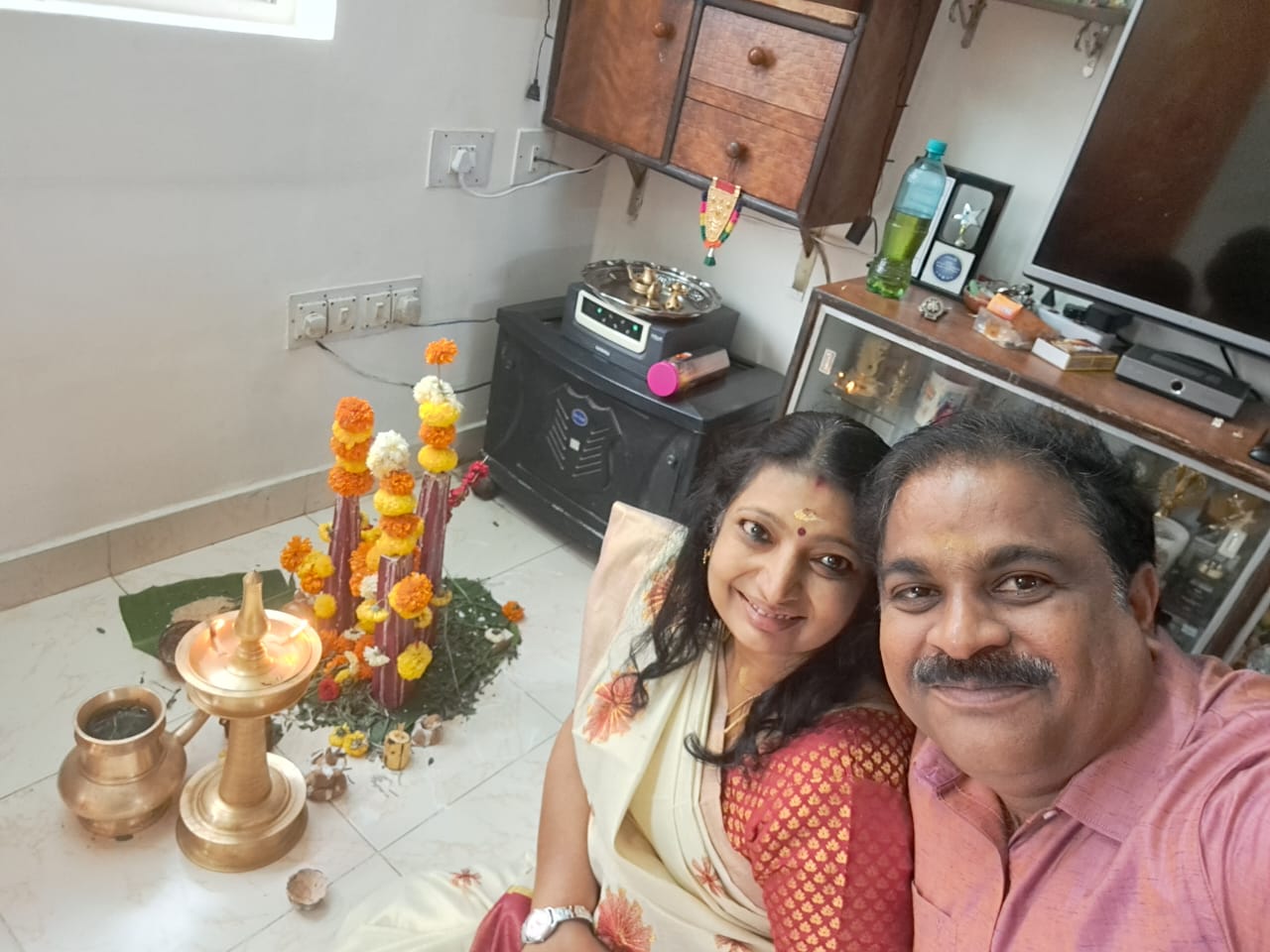
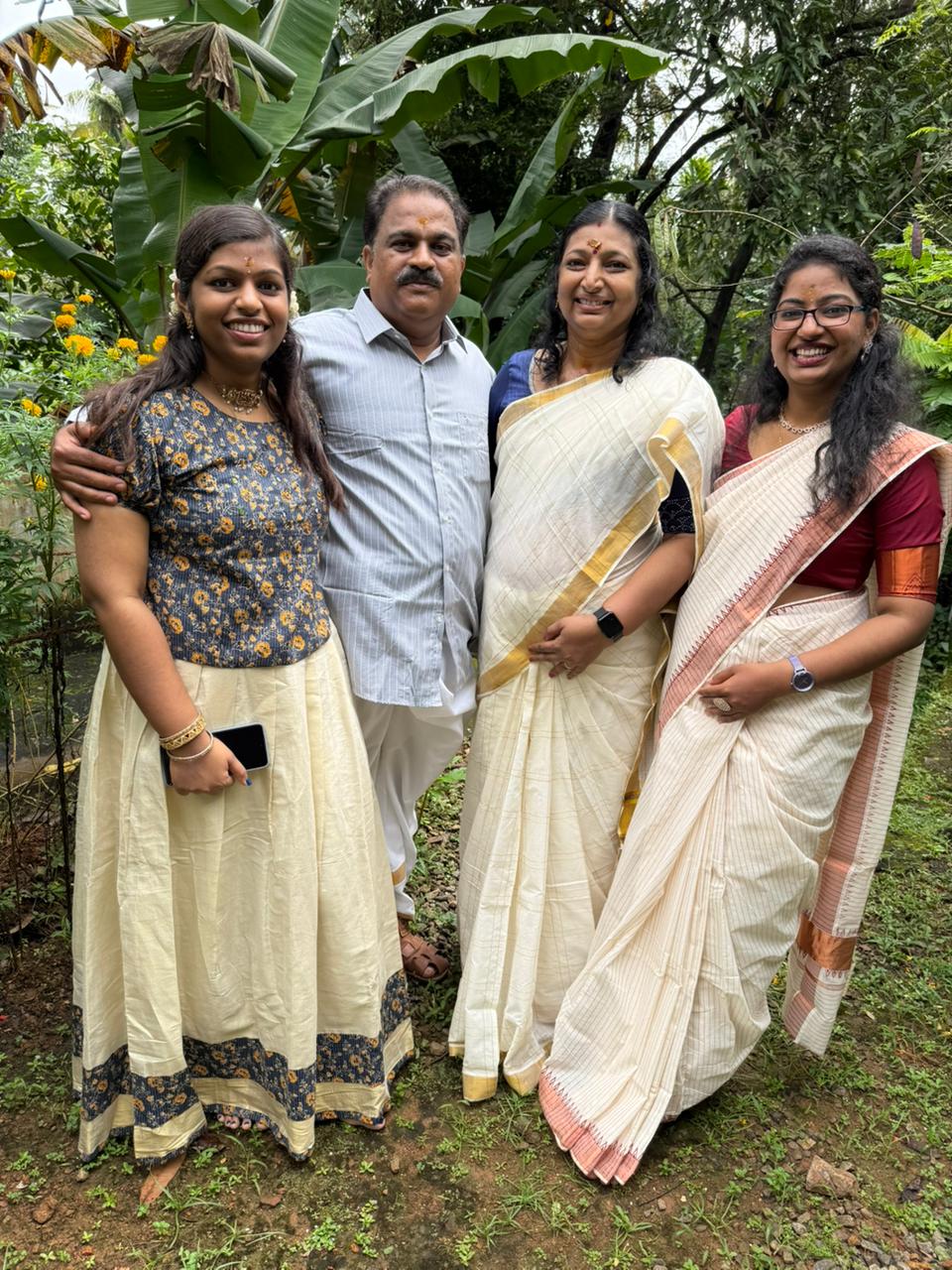
He met his wife, Ajitha Rajesh, through relatives in July 1997 and got married on 18th January, 1998. It was an arranged marriage. He notes the unwavering support of his wife, who manages their family life as a dedicated homemaker, accommodating his demanding professional schedule and numerous social commitments.
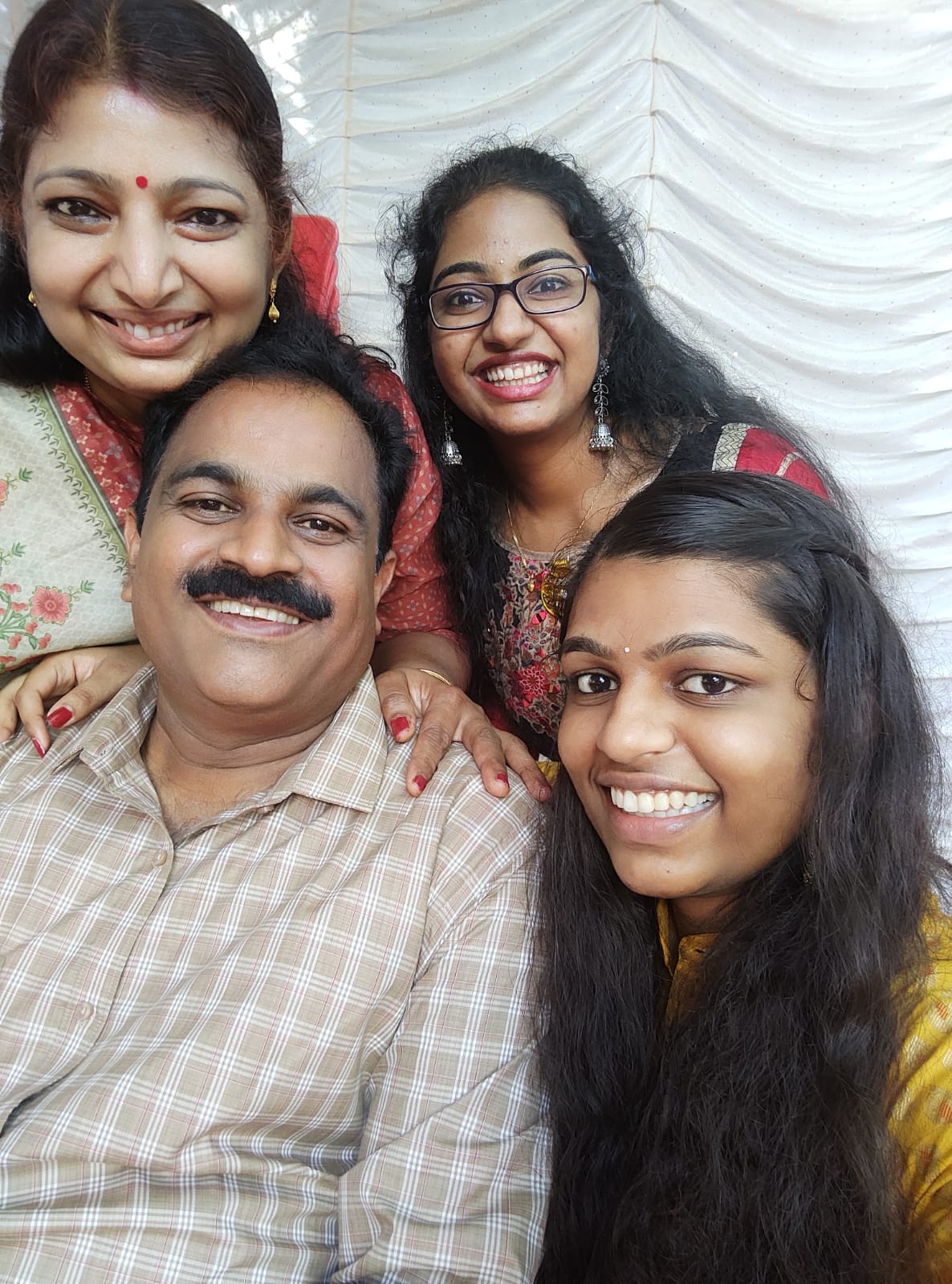
The couple has two accomplished daughters: the elder, Dr. Aparna Rajesh, holds a BDS degree and is currently studying for her MDS, while the younger, Akshara Rajesh, is studying for her 5th year LLB.
Overcoming the Accent Barrier
One of the biggest professional challenges Rajesh faced was communication, particularly dealing with his Keralite accent and the cultural shift from a non-English speaking environment to a corporate one. While he refused to change his authentic accent, he concentrated intensely on improving his ability to communicate effectively, focusing on putting the right words together and translating top-line concepts into understandable strategies. This challenge was a daily learning process that required significant effort to master the nuances of clear corporate communication.
Defining Success
True success in a dynamic field like cybersecurity demands more than just classroom knowledge; it requires an active, future-forward mindset. The core of this strategy is passion for your work, which fuels the commitment necessary to continuously master emerging technologies like Cloud, Blockchain, and Quantum Computing. Crucially, you must cultivate the mindset of a hacker to become the most effective defender, always thinking several steps ahead of the threat. Combine this technical mastery with open-mindedness to embrace the innovation brought by your peers and industry collaboration to stay ahead of the curve. By balancing technical rigor with constant curiosity and connection, you ensure your professional path is not just secure, but defined by leadership.
His journey—from walking five kilometers to save ten paisa for ice cream, to mastering 120 words per minute of shorthand, to currently navigating the complexities of AI at the director level—is a powerful illustration of how passion, dedication, and the strategic pursuit of skills can create a successful and enduring professional legacy.
Rajesh T.R. stands as a beacon of the principle that career advancement is less about institutional affiliation and more about personal resilience and the strategic management of time and skill. His commitment to his company and, equally, to the mentorship of the next generation ensures that his impact will continue to resonate long after his active career concludes.