Architect of Care: The Life and Vision of Dr. John Mumuneh Konteh
The Early Foundations of Discipline and Compassion
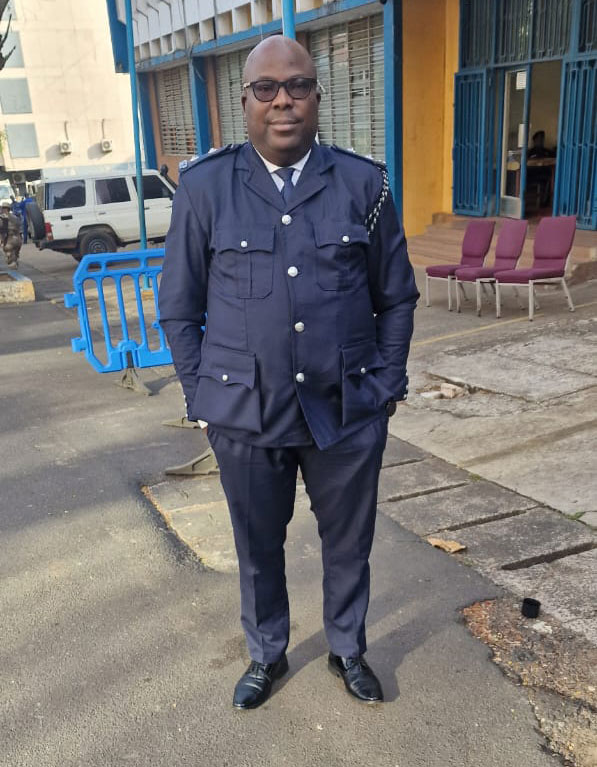 The story of Dr. John Mumuneh Konteh begins in the vibrant but often challenging landscape of Freetown, Sierra Leone. Growing up on the West Coast of Africa, John was raised in a household that served as a microcosm of the very institutions he would one day lead. His father, a disciplined and principled police officer, and his mother, a compassionate and tireless nurse, provided a dual foundation that shaped his character. This unique domestic dynamic meant that John was raised with a deep respect for the law and order necessary for a functioning society, balanced perfectly by the empathetic, hands-on care required to heal a community.
During his formative years, the lack of widespread medical infrastructure in Sierra Leone meant that the family home often became a beacon for neighbors in need. John spent many of his early days as a silent observer, watching his mother tend to wounds and offer medical guidance to those who had nowhere else to turn. It was in these quiet moments, watching pain transform into relief through the skilled hands of a nurse, that his fascination with the medical arts took root. While his father recognized John’s sharp intellect and eloquence, often encouraging him toward a career in law and the debating stage, John found himself pulled toward the biological sciences. For him, the ability to physically save a life and intervene in the face of suffering was a calling that no other profession could match.
Resilience Amidst Adversity: An Education Without Borders
 Dr. Konteh’s journey toward his medical degree was anything but linear, defined by a tenacity that was tested by national crisis. He began his formal medical studies in Sierra Leone in 2000, but the onset of civil war created a profound disruption that would have ended the aspirations of a lesser student. As the conflict ravaged the country’s infrastructure and forced many into exile, John recognized that to serve his country in the future, he would first have to leave it to complete his training. This period of transition saw him traveling to the United Kingdom, where he pivoted to study Biomedical Sciences. This detour was not a delay, but rather an enrichment of his foundational knowledge, giving him a deeper understanding of the laboratory and research based aspects of medicine that would later inform his clinical practice.
The urge to return to his primary mission of direct patient care remained a constant pull. Following his time in Europe, he moved to Banjul to complete his medical studies, eventually e.arning his MBChB in 2010. This international education gave Dr. Konteh a rare, panoramic view of the global healthcare landscape. By training in the resource rich environments of the UK and the more community focused systems of West Africa, he developed a versatile approach to medicine. He learned to appreciate the high tech innovations of the West while never losing sight of the practical, ground level challenges faced by medical professionals in developing nations. This academic odyssey concluded with a return to Sierra Leone, not just as a doctor, but as a visionary ready to bridge the gap between global standards and local needs.
The Specialist’s Path: Pioneering Endocrinology in Sierra Leone
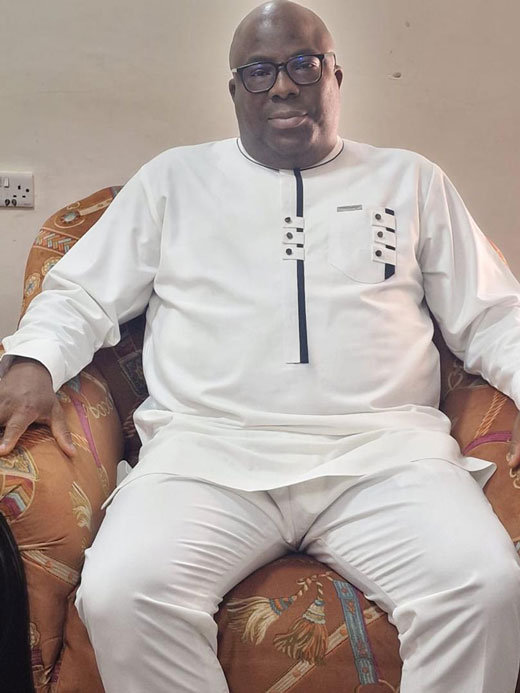 Upon his return, Dr. Konteh identified a critical void in the national healthcare system: the management of chronic, non communicable diseases. While much of the global focus on African health remained on infectious diseases, John recognized that silent killers like diabetes and hormonal imbalances were devastating families without notice. This realization led him to specialize in endocrinology, a field where he is now recognized as one of the few and most prominent experts in the country. He pursued an MSc in Endocrinology in the UK, followed by an MSc in Forensic Medical Sciences and a PhD in Health Human Resource Management.
These diverse qualifications reflect a man who understands that health is not just about biology, but also about management and the legalities of care. His PhD, specifically focused on human resources, equipped him with the skills to lead large medical teams and advocate for the rights of healthcare workers. As he now prepares for further advanced studies in the United States, his ultimate goal has shifted from being a practitioner to being a professor. He understands that for Sierra Leone to truly achieve health independence, it must cultivate its own specialists, and he intends to lead that charge from the front of the classroom.
Leadership in the Uniform: The Police Medical Services
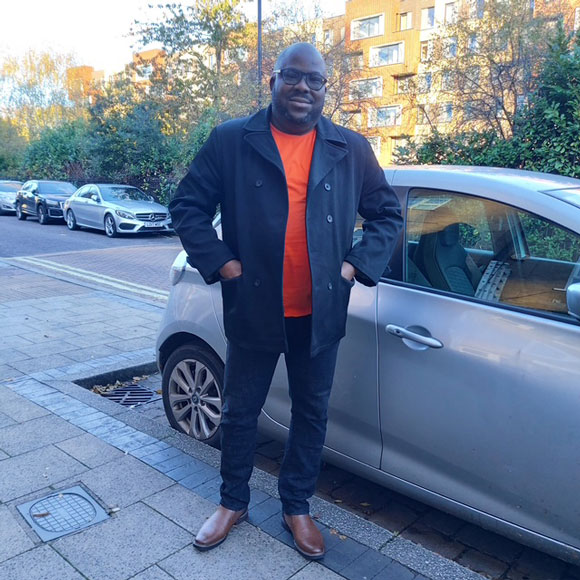 One of the most significant chapters of Dr. Konteh’s career is his tenure as the Deputy Director and Medical Superintendent of the Sierra Leone Police Medical Services. In this role, he successfully merged the two worlds of his upbringing: the discipline of his father’s police force and the healing mission of his mother’s nursing. Under his leadership, the police medical services underwent a radical transformation. He moved the department away from being a reactive entity toward a proactive, comprehensive healthcare provider.
By introducing mandatory biannual health check-ups for all police personnel, he addressed the physical toll that law enforcement takes on the body and mind. He also spearheaded the creation of a "one-stop shop" medical facility. This was a revolutionary concept in the region, ensuring that a police officer or their family could receive laboratory testing, specialized clinical consultations, and even mortuary services all within a single, integrated system. His ability to navigate the complex bureaucracy of a national police force to secure funding and approval for these initiatives is a testament to his strategic mind and his unwavering commitment to those who serve.
The Humanitarian Vision: Healing the Community and the Soul
 Beyond the clinical and administrative achievements, Dr. Konteh’s life is defined by his humanitarian spirit, rooted deeply in his Christian faith. He views medicine as a form of ministry, a duty to serve humanity in its highest form. This is perhaps most visible in his collaboration with the Surgeons in Action Foundation. Through this partnership, he has facilitated twelve separate visits where international surgical teams provide free operations to the public. During each visit, over 200 lives are transformed through procedures that would otherwise be financially inaccessible. For Dr. Konteh, the zero percent complication rate and the sight of patients walking out of the hospital healed are the greatest rewards of his career.
His vision for a healthier society also extends to social advocacy. Dr. Konteh is a frequent and trusted voice on national media, where he demystifies complex health issues for the general public. He has also taken bold steps into sensitive areas of social health, such as drug abuse prevention among youth and premarital health counseling. By creating safe spaces for discussions about HIV, Hepatitis, and even erectile dysfunction, he is actively dismantling the stigmas that often prevent people from seeking care. He believes that a truly healthy nation is one that can speak openly about its ailments without shame.
A Philosophy of Humility and the Road Ahead
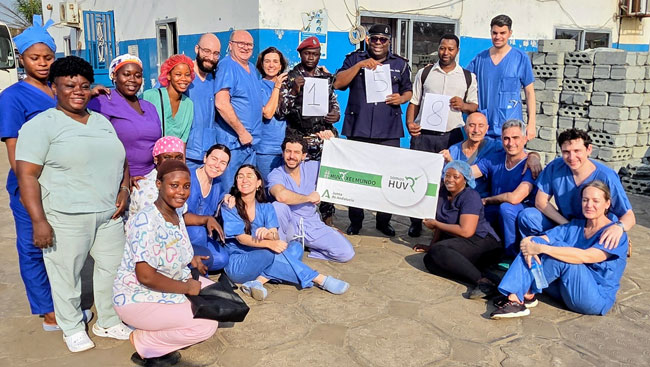 Despite receiving prestigious honors like the African Golden Star Award and being a key figure in the successful eradication of Mpox in Sierra Leone, Dr. Konteh remains a man of profound humility. He often insists that his achievements are the result of a collective effort, emphasizing the frontline workers, including the nurses and technicians who work alongside him every day. He practices Evidence Based Medicine, a philosophy that ensures every treatment is backed by rigorous science and tailored to the unique best interests of the patient.
As Dr. Konteh prepares to receive his Honorary Doctorate, he does not see it as a crowning achievement, but as a renewal of his vows to his country. He is a man who is never finished learning, never finished serving, and never finished dreaming of a Sierra Leone where quality healthcare is a right, not a privilege. His biography is not merely a record of past successes, but a living blueprint for the future of African medicine, one built on the pillars of service, science, and a relentless pursuit of the common good.